Upgrade Your Space with XD500 SPC Flooring
Start your days with comfort and style with Luxury 22mil SPC Flooring. Designed to absorb your steps and cushion impact and sound throughout your home. Explore your perfect shade today!
Available same-day or within 24-48 hours most orders.
Core Features
Essential information for your remodels.
100% Waterproof:
Ideal for high-moisture areas like kitchens, bathrooms, and basements.
Easy Installation:
Most SPC products feature a "click-lock" system, allowing for a floating installation directly over most existing hard-surface subfloors (even those with minor imperfections).
Superior Dent Resistance:
Because of its stone-based core, it is much harder than WPC (Wood Plastic Composite) or traditional vinyl, protecting against heavy furniture or dropped objects.
Dimensional Stability:
It does not expand or contract significantly with temperature or humidity changes, making it a great choice for sunrooms or regions with extreme weather.
Covered by Warranty:
Enjoy manufacturer's warranty for 30-50 year residential//10-15 year light commercial. Warranty is on the wear layer, not for Installation errors.
For details please visit our policies & Terms page or contact your sales rep.
FAST Lead Times:
Available as soon as same-day or within 24-48 hours after placing your order. Additional transition moldings are available in the same finish.

Explore XD500 Finishes
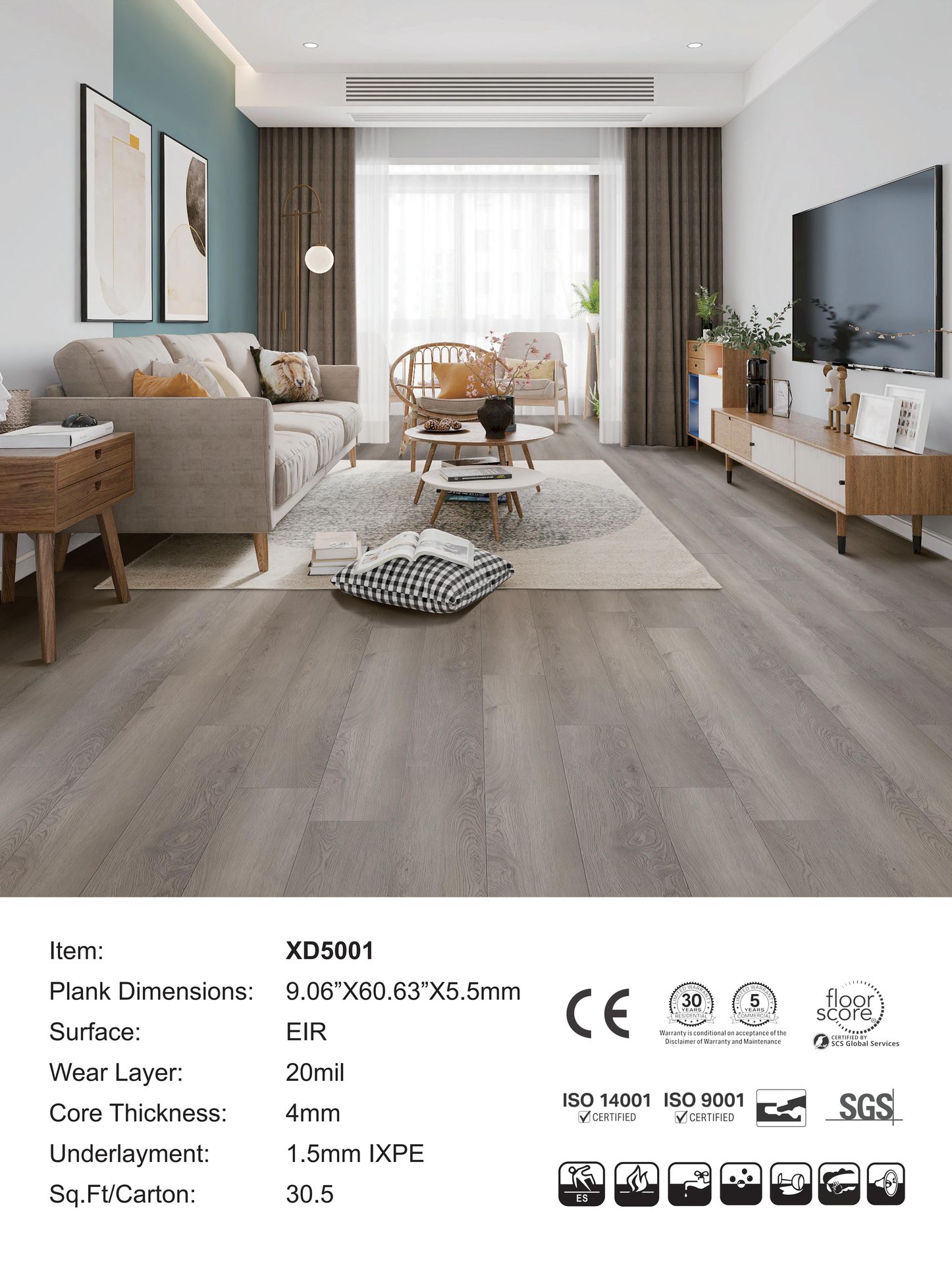
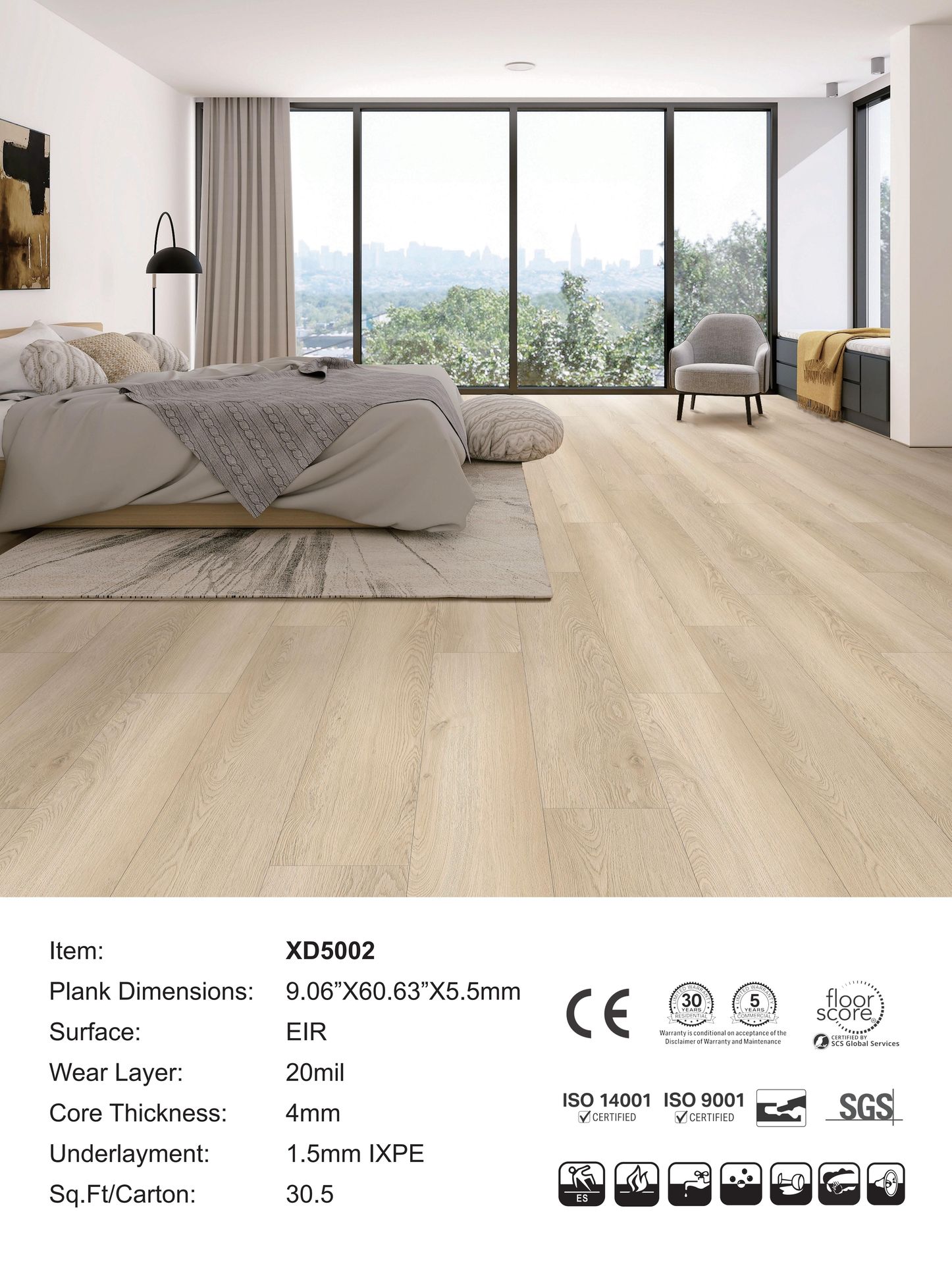
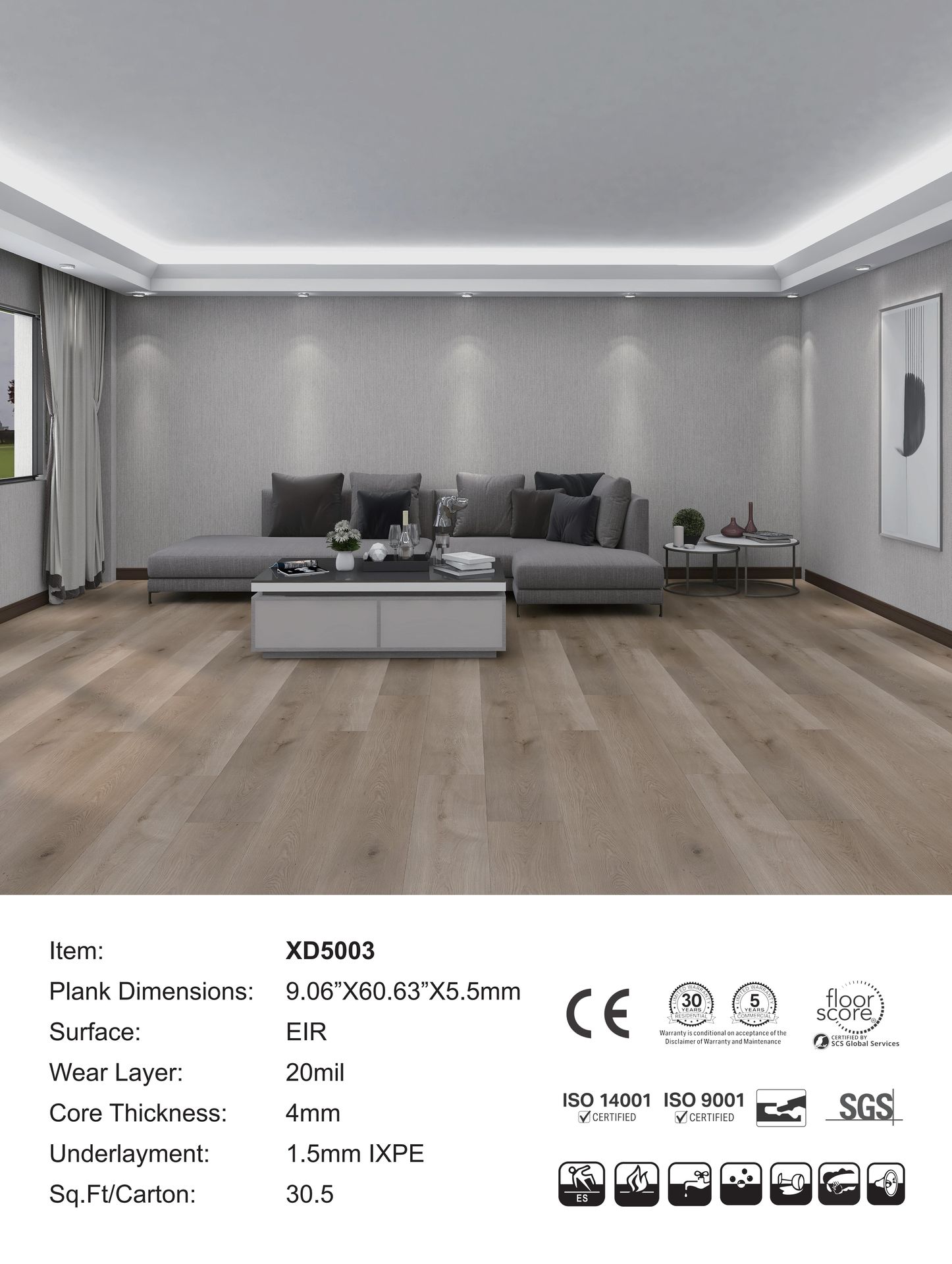
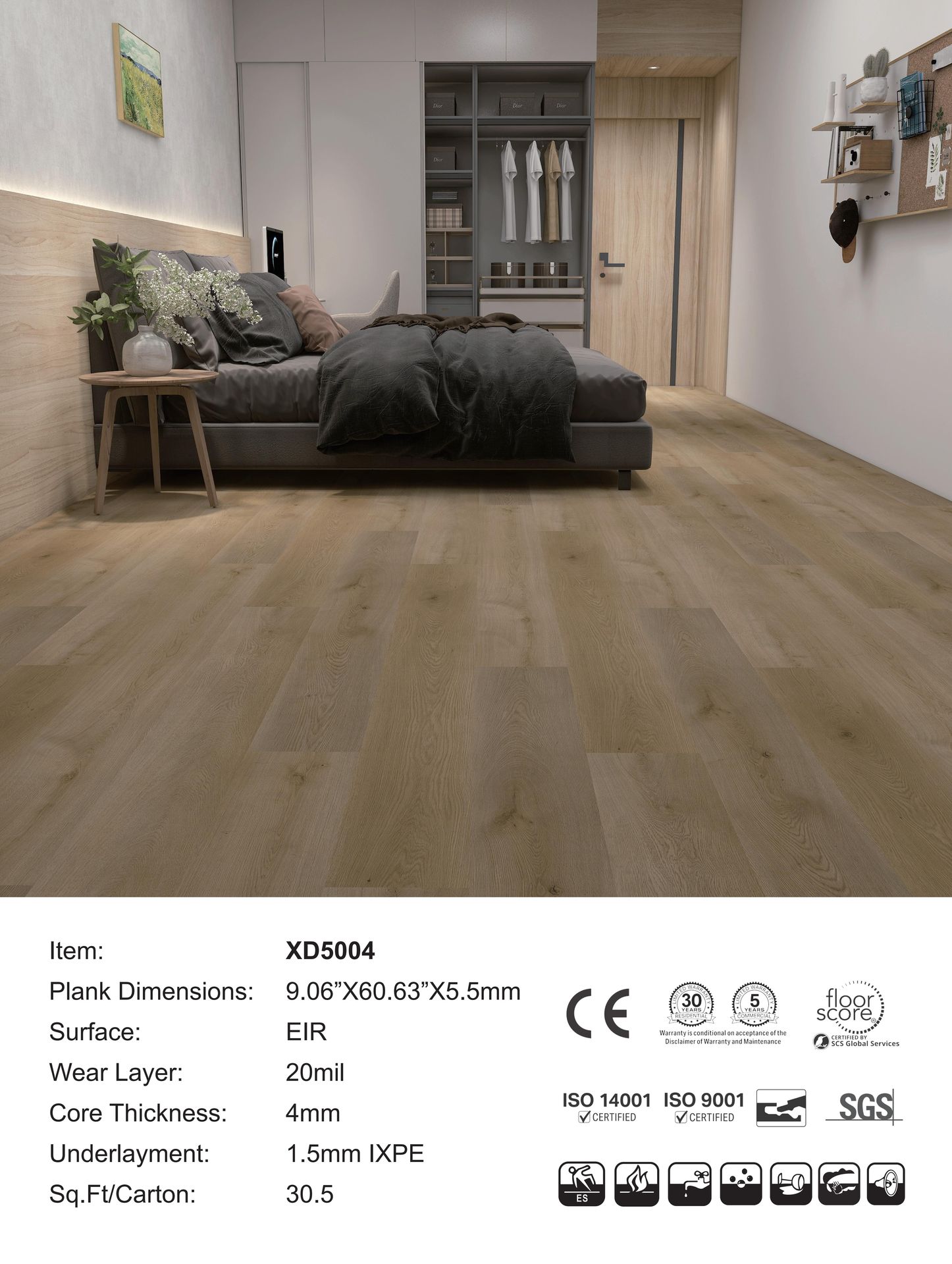
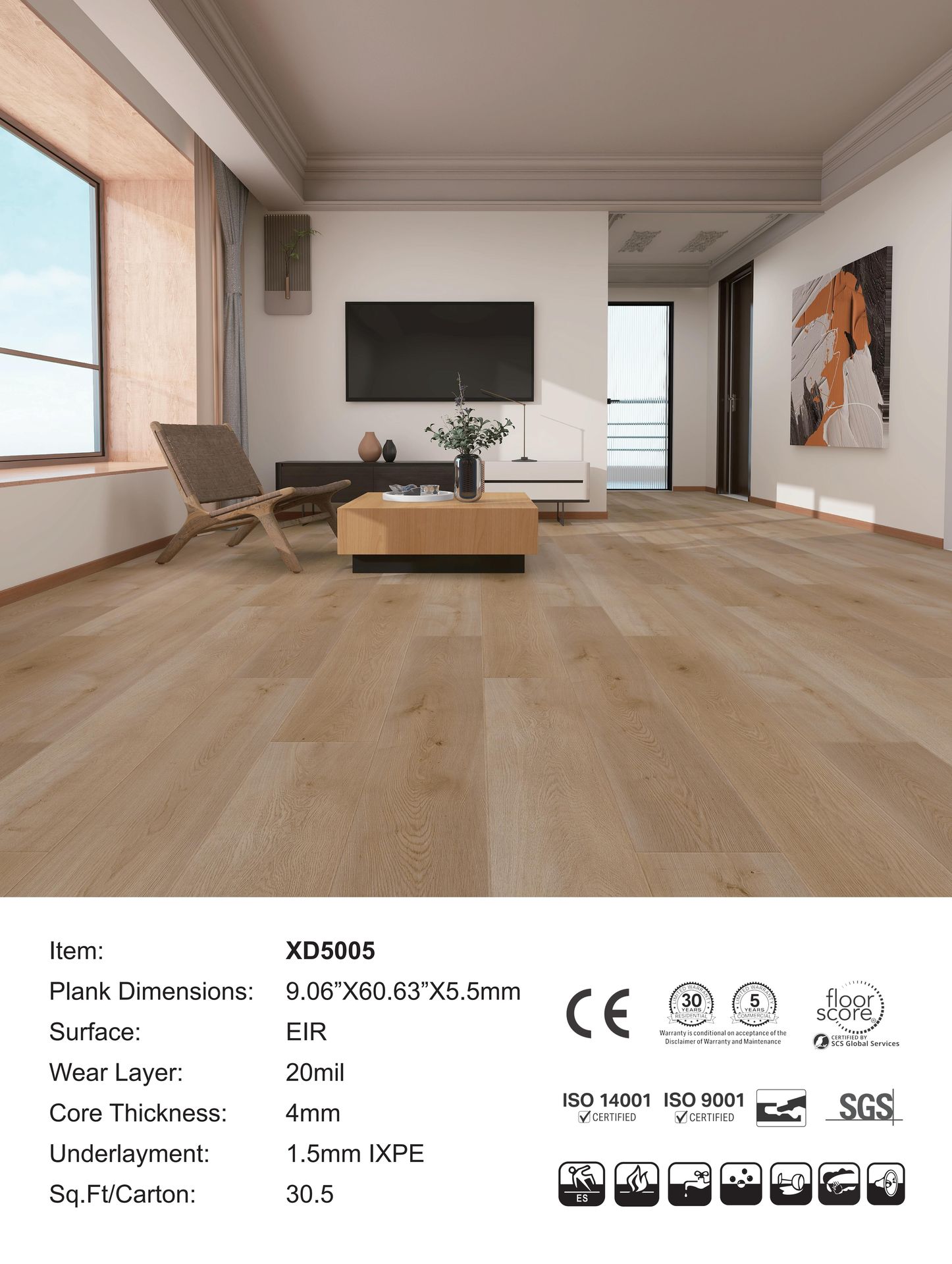
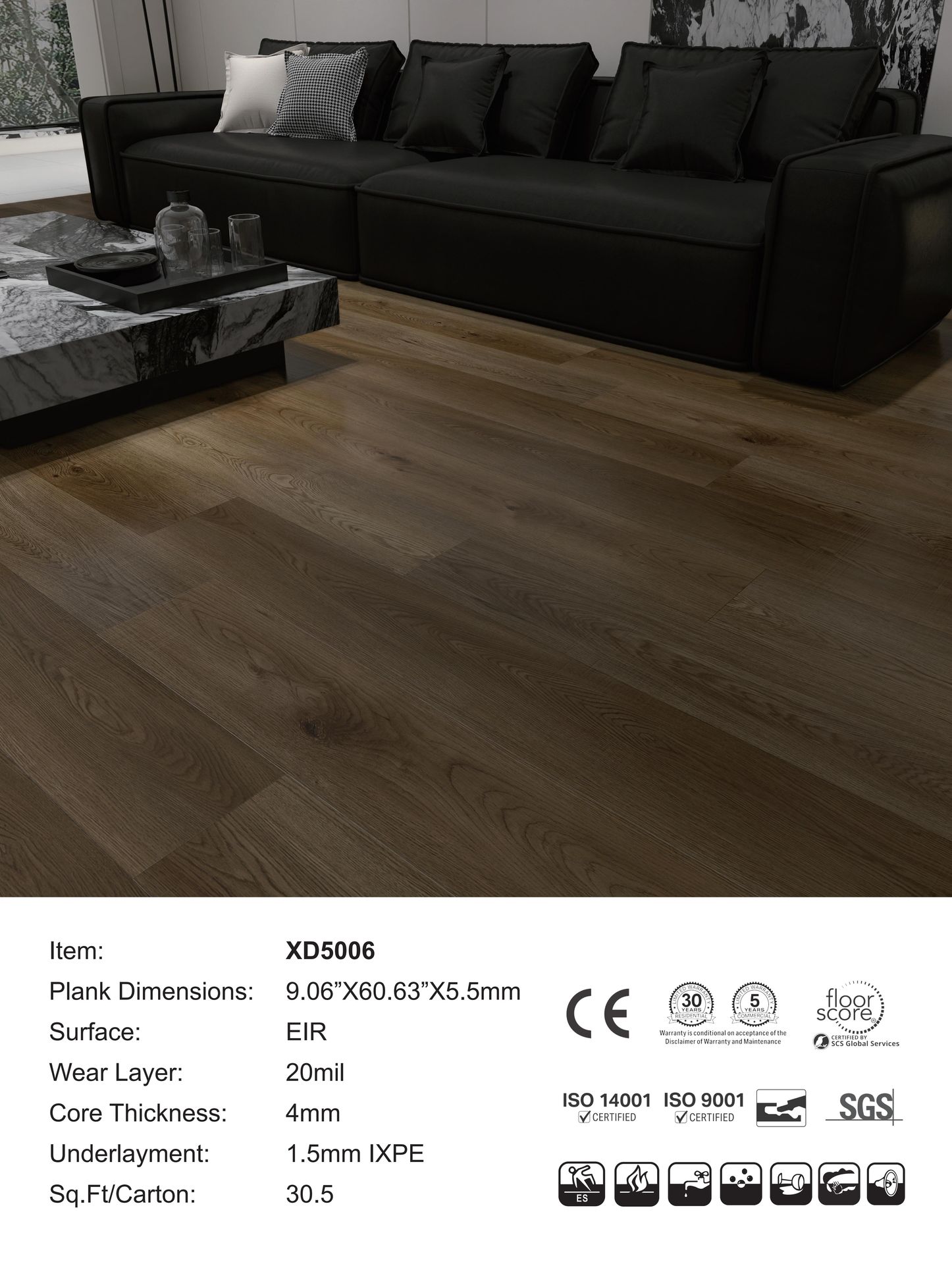
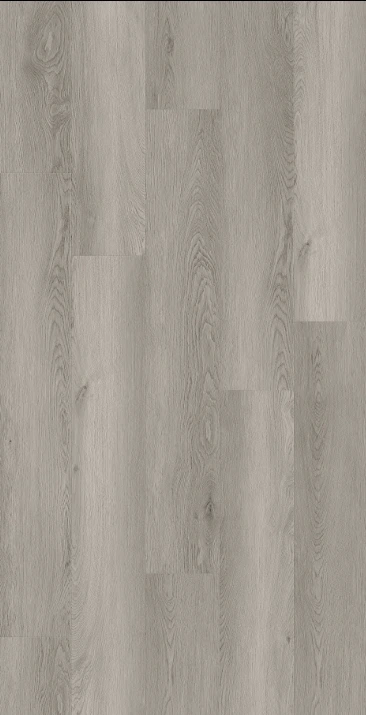
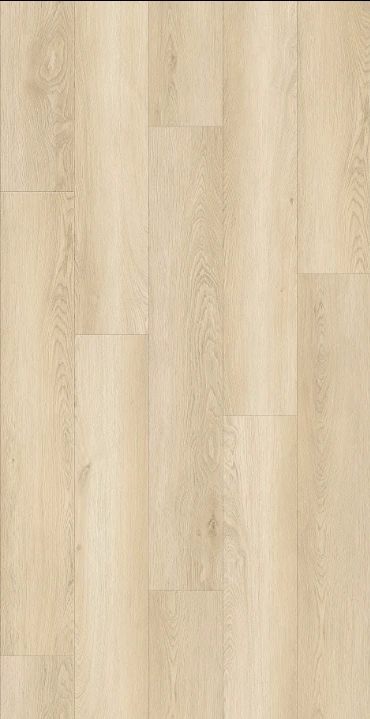
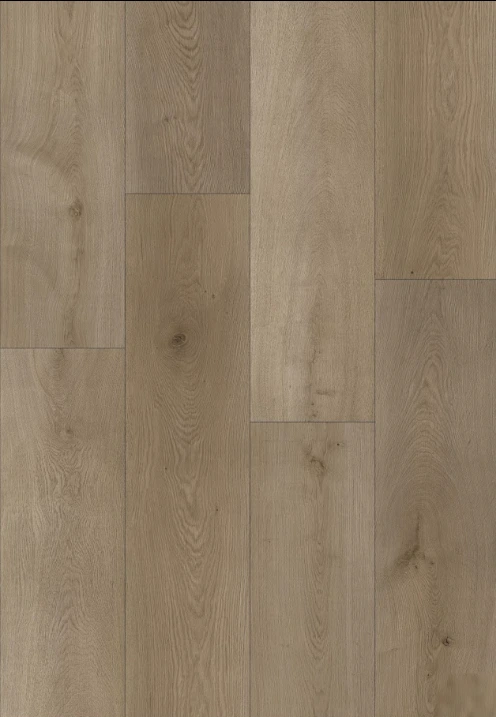
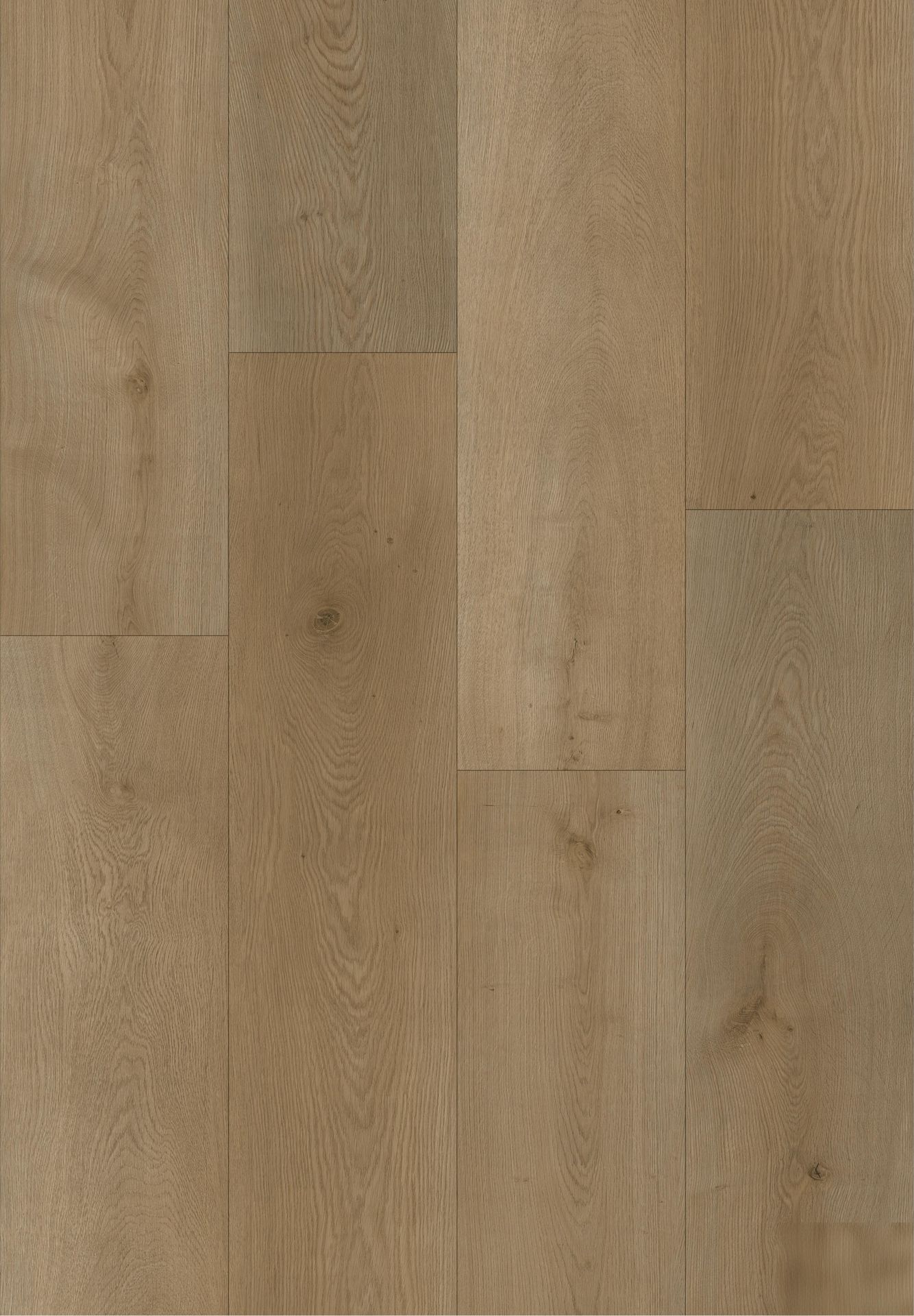
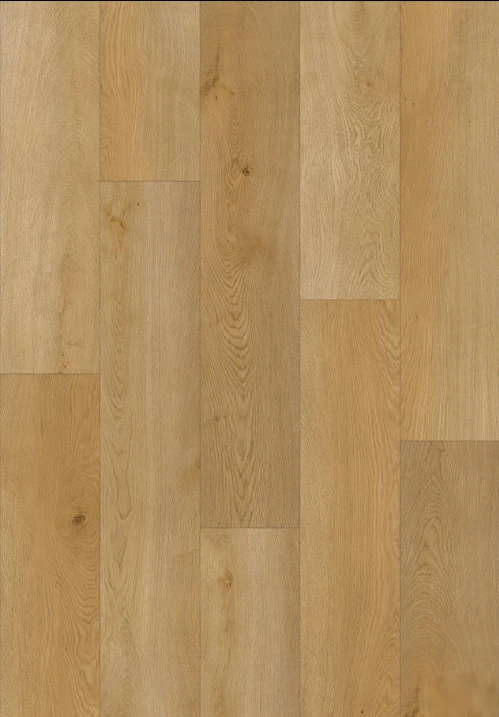
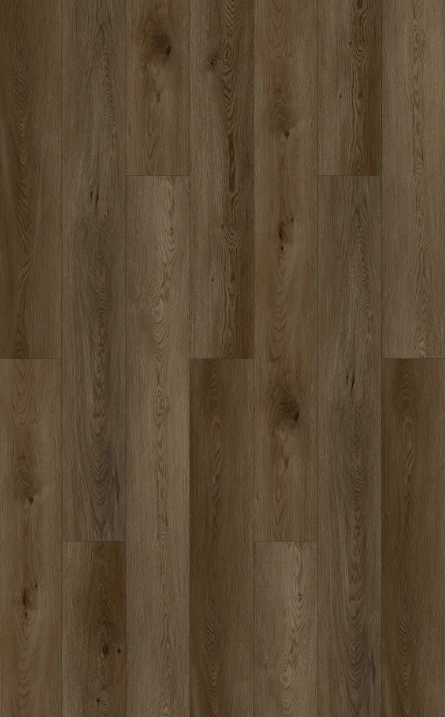
Frequently Asked Questions:
Common questions with answers for our SPC Rigid Core Vinyl Flooring
SPC (Stone Plastic Composite) flooring, also known as rigid core vinyl, is an advanced engineered flooring material composed of limestone powder (stone), polyvinyl chloride (PVC), and stabilizers. This stone-based rigid core provides exceptional impact resistance, 100% waterproof capability, and long-term dimensional stability compared to standard vinyl or laminate.
Yes, SPC flooring is 100% waterproof. Because its limestone-vinyl core does not absorb moisture, planks will not swell, buckle, warp, or peel when exposed to liquids. This makes SPC flooring ideal for moisture-prone areas, including:
Bathrooms and powder rooms
Kitchens and pantries
Basements
Laundry rooms and entryway mudrooms
This flooring is not mold-proof so please ensure you are following the installation guides for this type of flooring to assure you have a successful remodel in high moisture areas.
Yes. Most SPC flooring features a click-lock installation system designed for floating installation over existing flat, hard-surface subfloors, such as:
Concrete slabs
Ceramic or porcelain tile
Plywood subfloors
Sheet vinyl
Tip: Ensure the subfloor is clean, dry, and level to within 3/16 inch per 10 feet for seamless locking. We have installation guides available upon request.
With proper care and installation, high-quality SPC flooring typically lasts 15 to 20 years or more in residential settings, and up to 10–15 years in commercial environments. Lifespan depends heavily on the thickness of the top wear layer (measured in mils).
The wear layer protects the plank's design layer from scratches, scuffs, and fading:
12 mil: Suitable for medium-traffic residential areas (e.g., bedrooms, home offices).
20 mil or higher: Recommended for high-traffic homes with pets and kids, as well as light commercial applications.
Anything less than the above may be cheaper on price now but may be damaged easier in the long run which would need to be replaced more frequently than a higher quality flooring.
While both are popular rigid-core luxury vinyl options, their core compositions serve different needs:
SPC (Stone Plastic Composite): Features a limestone-based core. It is denser, thinner, highly dent-resistant, and designed for heavy foot traffic, pets, and commercial spaces. More Rigid.
WPC (Wood Plastic Composite): Features a wood-flour-based core. It is slightly thicker and softer underfoot with higher sound absorption, but is more vulnerable to heavy impact dents than SPC. More flexible.
SPC flooring is low-maintenance:
Daily cleaning: Sweep, dust mop, or vacuum using a soft brush attachment (no beater bar).
Damp mopping: Use a pH-neutral cleaner formulated specifically for luxury vinyl.
Avoid: Steam mops, abrasive scrubbers, bleach, or wax-based polishes, as these can dull or damage the protective finish.
We offer installation and maintenance guides for nearly all of our flooring. Please don't hesitate to reach out for more information!
We offer a 15-day return policy for all products after you pickup from our warehouse. Items must be in their original condition, unused, and include the receipt or proof of purchase. Refunds are processed within 5-7 business days of receiving the returned item. For more details, please view our policies & terms online or reach out to your sales rep.
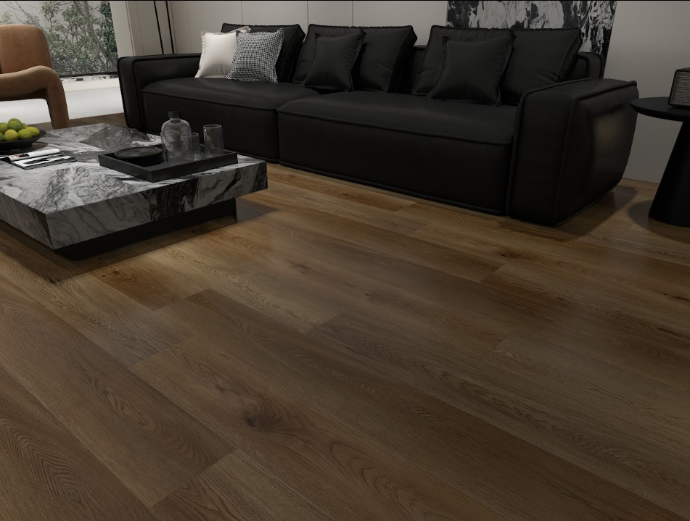
Explore our Luxurious XD5006 shade - Available within 24-48 hours